
Metal Scrap Recycling in Jeddah: A Practical Guide for Businesses
Metal waste is a common part of construction, manufacturing, maintenance, workshops, warehouses, and commercial activities in Jeddah. Old machinery parts, steel sections, aluminum materials, copper components, pipes, sheets, and other unwanted metals can quickly accumulate when they are not managed properly. Instead of treating these materials simply as waste, businesses can use professional metal scrap recycling in Jeddah to recover useful materials and support a more organized waste management process. Recycling metal helps keep recyclable materials within the supply chain while reducing the amount of scrap that needs to be discarded. For businesses, it can also create an opportunity to recover value from materials that are no longer needed.
Learn more https://www.vision2030.gov.sa/en
What Is Metal Scrap Recycling?
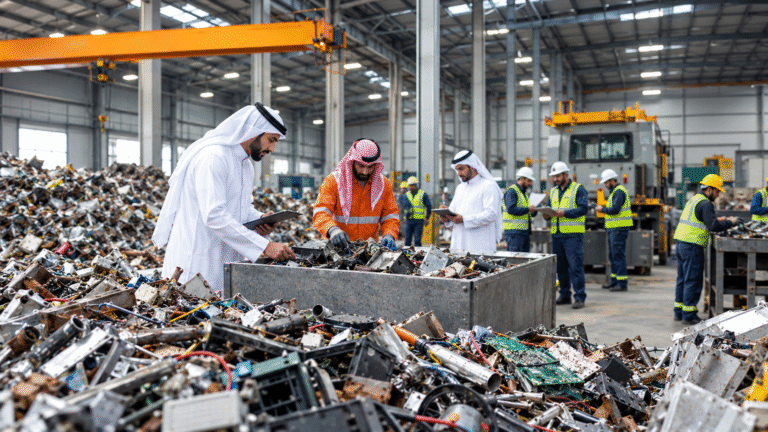
Metal scrap recycling is the process of collecting, sorting, processing, and preparing unwanted metal materials so they can be used again in suitable applications. Unlike many other waste materials, metals can often be recycled and reprocessed without losing their basic material properties. This makes scrap metal an important resource for the recycling industry. The process generally begins with collection. Scrap is then separated according to material type, condition, and other relevant characteristics. Suitable materials can subsequently be processed and directed into recycling channels. For businesses in Jeddah, having a reliable recycling partner can make this process much easier.
Why Metal Scrap Recycling Matters in Jeddah ?
Jeddah is an important commercial and industrial center, with businesses operating across construction, manufacturing, logistics, maintenance, fabrication, and other sectors. These activities can generate significant amounts of metal scrap. If unwanted metal is left in storage areas or work sites, it can take up valuable space and make waste management more difficult. Regular recycling and collection can help businesses maintain more organized premises. Professional metal scrap recycling in Jeddah provides a practical way to move recyclable materials from business locations into the recycling stream. .
Types of Metal Commonly Recycled
Different businesses generate different types of scrap. Some of the most commonly handled materials include:
● Iron
● Steel
● Stainless steel
● Aluminum
● Copper
● Brass
● Metal sheets
● Pipes
● Industrial offcuts
● Machinery components
● Construction metal
● Metal frames and sections
How the Metal Scrap Recycling Process Works
A professional recycling process generally involves several stages.
1. Scrap Collection
The first step is collecting unwanted metal from construction sites, factories, workshops, warehouses, or commercial facilities.
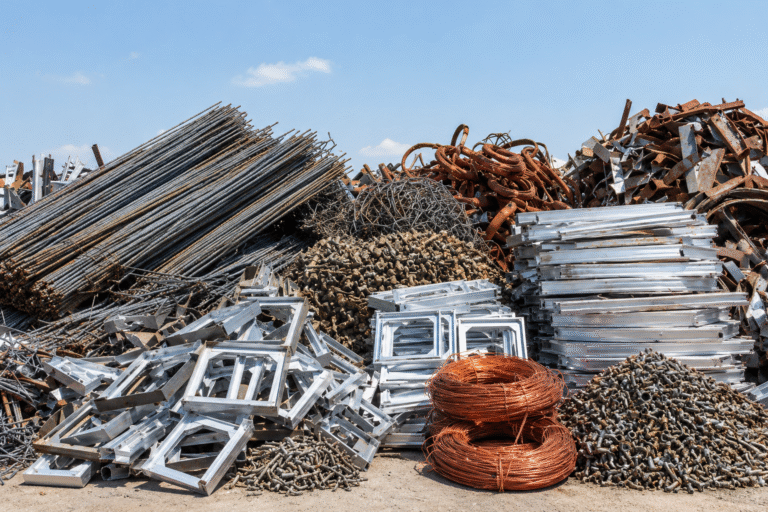
2. Sorting Collected materials are separated according to their type. Ferrous metals such as iron and steel are handled differently from non-ferrous materials such as aluminum, copper, and brass.
3. Inspection
The material can be inspected to understand its condition and composition. This helps determine the appropriate way to handle it.
4. Processing
Depending on the material, scrap may be cut, compressed, sorted, or otherwise prepared for recycling.
5. Recycling
Processed materials are directed toward suitable recycling channels where they can become part of future manufacturing and industrial applications. This organized approach helps turn unwanted metal into a reusable resource.
Metal Scrap Recycling for Construction Companies
Construction and renovation projects can generate large amounts of metal waste. Steel bars, pipes, frames, sheets, cables, and other metal components may remain after installation, demolition, modification, or fabrication work. Instead of allowing these materials to accumulate at construction sites, contractors can arrange regular collection and recycling.
Recycling Solutions for Factories and Workshops
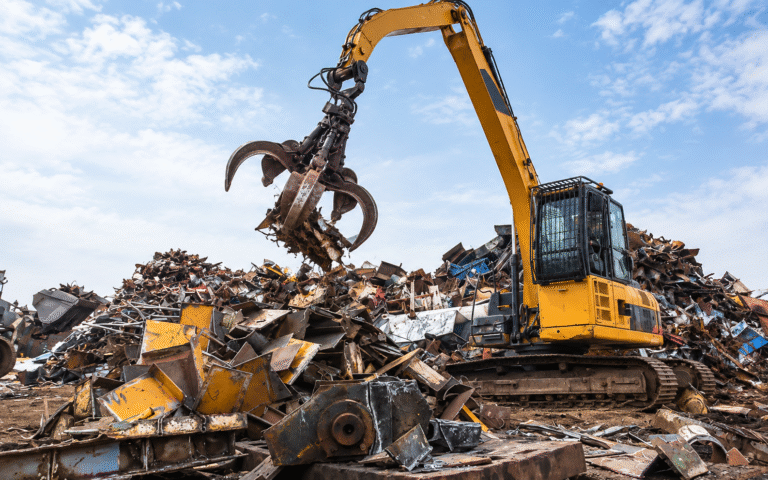
Factories and workshops can generate metal scrap on a regular basis. Manufacturing processes, fabrication, machining, repairs, and maintenance activities may produce metal offcuts and unwanted components. Rather than storing these materials indefinitely, businesses can establish a regular collection schedule. A professional scrap buyer or recycling company can help businesses manage these materials and move suitable scrap toward recycling.
The Role of Scrap Buyers in Metal Recycling
Scrap buyers play an important role in connecting businesses that have unwanted metal with the recycling industry. A reliable scrap buyer in Jeddah can purchase suitable recyclable materials and arrange collection based on the type and quantity of scrap. This gives businesses a practical way to remove unwanted metal while allowing recyclable materials to continue through the recovery process. For companies looking for both buying and recycling support, working with an experienced metal scrap buyer Jeddah can simplify the overall process.
Choosing a Metal Scrap Recycling Partner in Jeddah
Businesses should consider more than just price when selecting a recycling partner. Look for a company that understands different types of metal scrap and can provide a clear collection process. Important factors include:
Experience: Choose a company familiar with commercial and industrial scrap.
Collection capability: Large quantities of metal require suitable transportation and handling.
Material knowledge: Different metals should be identified and handled appropriately.
Reliable communication: Businesses need clear coordination when arranging collection.
Professional approach: A structured process makes scrap management easier and more predictable.
