
Metal Scrap Supplier in Saudi Arabia for Reliable Scrap Management
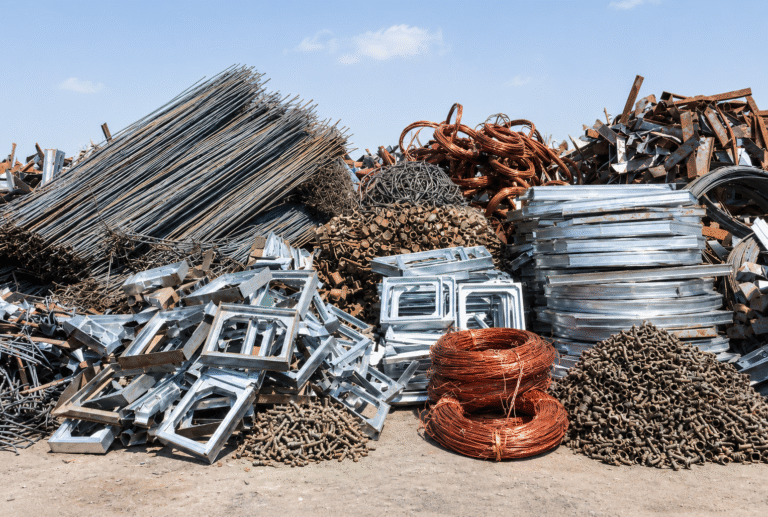
Metal scrap is generated by almost every industry. Construction companies, manufacturing units, workshops, factories, warehouses, demolition projects, and commercial businesses can accumulate significant quantities of unwanted metal over time. Instead of allowing this material to take up valuable space or become waste, businesses can turn it into a useful resource by working with a reliable metal scrap supplier in Saudi Arabia. A professional scrap supplier does more than simply purchase unwanted metal. The right company can help businesses with scrap collection, sorting, handling, transportation, recycling, and responsible disposal. This makes metal scrap management easier while also supporting the growing demand for recycled materials across Saudi Arabia. For businesses in Jeddah and other parts of the Kingdom, choosing an experienced scrap partner can make a noticeable difference in how efficiently metal waste is handled.
What Does a Metal Scrap Supplier Do?
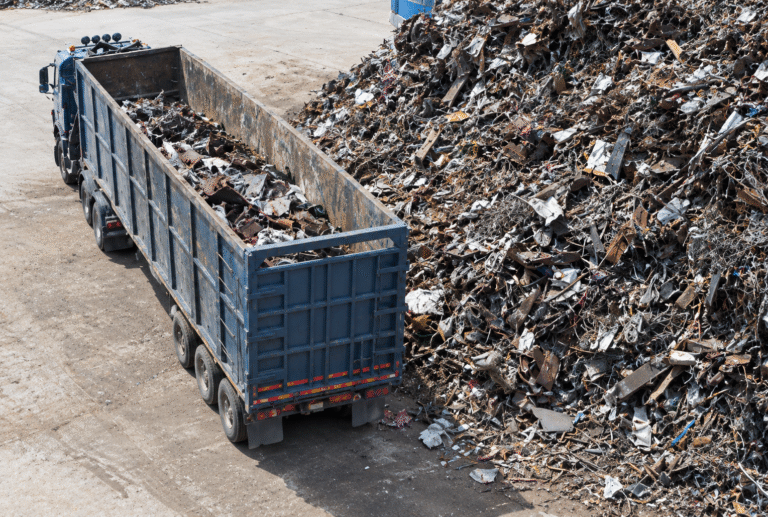
A metal scrap supplier works with businesses and individuals to collect, purchase, sort, and manage different types of scrap metal. Depending on the nature and quantity of the material, the supplier may arrange transportation and collection directly from the customer’s location. Metal scrap can come from many different sources. Old machinery, construction materials, damaged equipment, metal structures, industrial components, pipes, cables, and discarded metal products can all have recycling value. A professional supplier helps identify these materials and ensures they are handled appropriately. For businesses, this can provide two important benefits: reducing the amount of unwanted material stored on-site and recovering value from scrap that might otherwise be considered useless.
Types of Metal Scrap Commonly Handled in Saudi Arabia
Not all scrap metal is the same. Different metals have different properties, values, and recycling processes. Understanding the main categories can help businesses manage their scrap more effectively.
Ferrous Metals
Ferrous metals contain iron and are commonly found in construction and industrial applications. Examples include:
● Iron
● Steel
● Cast iron
● Structural steel
● Machinery components These materials are widely recycled because they can be processed and used in the production of new steel products.
Non-Ferrous Metals
Non-ferrous metals do not contain significant amounts of iron. They are often highly valuable because of their properties and demand in manufacturing. Common examples include:
● Copper
● Aluminum
● Brass
● Stainless steel
● Lead
● Certain metal alloys Copper cables, aluminum components, brass fittings, and other non-ferrous materials can be separated and processed for recycling.
Why Businesses Need a Reliable Scrap Supplier
Managing scrap internally can become difficult, especially for companies generating large quantities of metal waste. Storage takes up space, transportation requires planning, and mixed scrap can be hard to sort correctly. Working with a professional metal scrap supplier in Saudi Arabia can simplify this process. A reliable supplier can help businesses:
● Remove accumulated metal scrap
● Organize collection schedules
● Separate different types of metals
● Reduce unnecessary storage
● Improve workplace organization
● Send recyclable materials into appropriate recycling channels
● Recover value from unwanted metal Instead of treating scrap as a problem, businesses can incorporate scrap management into their regular operations. Metal Scrap Collection for Industrial and Commercial Businesses. Large industrial facilities can generate substantial amounts of scrap metal during everyday operations. Manufacturing processes may produce metal offcuts, damaged components, rejected materials, and obsolete equipment. Construction and demolition projects can also produce large quantities of steel, iron, aluminum, pipes, cables, and other recyclable materials. A professional collection service allows these materials to be removed systematically. Depending on the project, collection may involve suitable vehicles, loading equipment, containers, and trained workers. Good collection planning is particularly important for businesses that operate in busy industrial or commercial environments. Keeping scrap organized and removing it regularly can help maintain a cleaner and more efficient workplace.
Supporting Metal Waste Management in Saudi Arabia
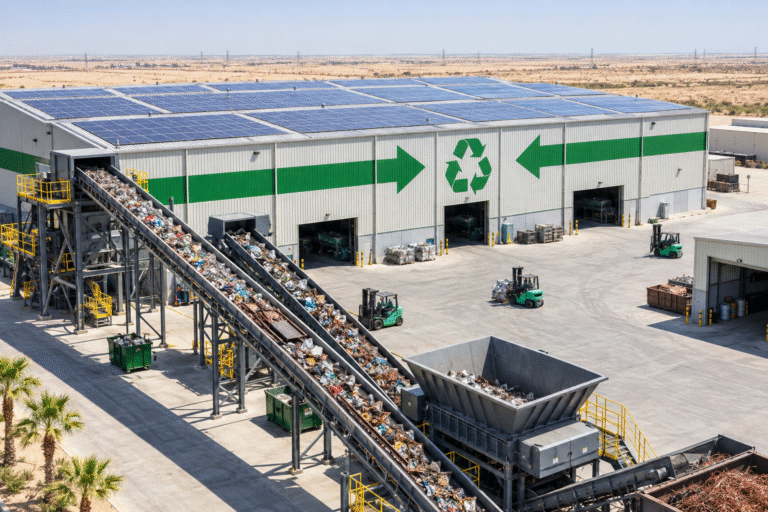
Effective metal waste management is becoming increasingly important as industries continue to grow. Simply collecting scrap is not enough. Businesses should consider what happens to the material after it leaves their premises. Responsible scrap management focuses on directing recyclable metals toward appropriate processing and recycling channels. This approach can reduce unnecessary landfill disposal and help recover valuable raw materials. Recycling metals also reduces the need to rely entirely on newly extracted resources for manufacturing. For businesses, this creates an opportunity to make their waste-handling practices more organized while contributing to a more resource-efficient industrial environment.
The Importance of Metal Recycling
When scrap metal is collected and processed properly, it can return to the manufacturing cycle as a secondary raw material. Recycling can help:
● Reduce the volume of metal waste
● Recover useful materials
● Support manufacturing industries
● Reduce pressure on natural resources
● Improve overall resource efficiency
A professional metal scrap supplier in Saudi Arabia plays an important role in connecting businesses that generate scrap with recycling and processing operations.
Learn more : https://www.vision2030.gov.sa/en
Choosing the Right Metal Scrap Supplier in Saudi Arabia
Not every scrap supplier offers the same level of service. Businesses should consider several factors before choosing a long-term scrap partner.
Experience
Experience matters when dealing with different categories and quantities of scrap metal. An experienced supplier is more likely to understand sorting, collection, handling, and transportation requirements.
Collection Capability
If your business generates large amounts of scrap, collection becomes an important consideration. Ask whether the supplier can arrange collection from your location and handle the quantity involved.
Transparent Process
A professional supplier should provide a clear process for evaluating and purchasing scrap. Clear communication can help businesses understand how their materials are handled.
Proper Handling
Metal scrap can include heavy, sharp, or bulky materials. Proper handling and transportation are essential for maintaining a safe working environment.
Recycling Approach
Businesses should also consider whether their scrap is directed toward appropriate recycling and recovery channels rather than being unnecessarily discarded.
